Tenebris Somnia gameplay: Combat, Puzzles, and FMV
How Tenebris Somnia gameplay mixes retro combat, puzzles, and live-action scenes, with controls, length, and launch notes.
What the Launch Build Asks You to Do
Survival horror trailers are easy to fake. A dark hallway, a scream, and a title card can sell a mood without proving the game is fun to hold. Tenebris Somnia gameplay is the exception people are arguing about one day after release, because the combat, puzzles, and filmed scenes are doing real work, not just decorating a store page. If you are deciding whether Tenebris Somnia gameplay matches the trailer, the short version is this: it plays closer to classic Resident Evil and Silent Hill than to a hide-only stalker game, wrapped in wordless live action from an Argentine film crew.
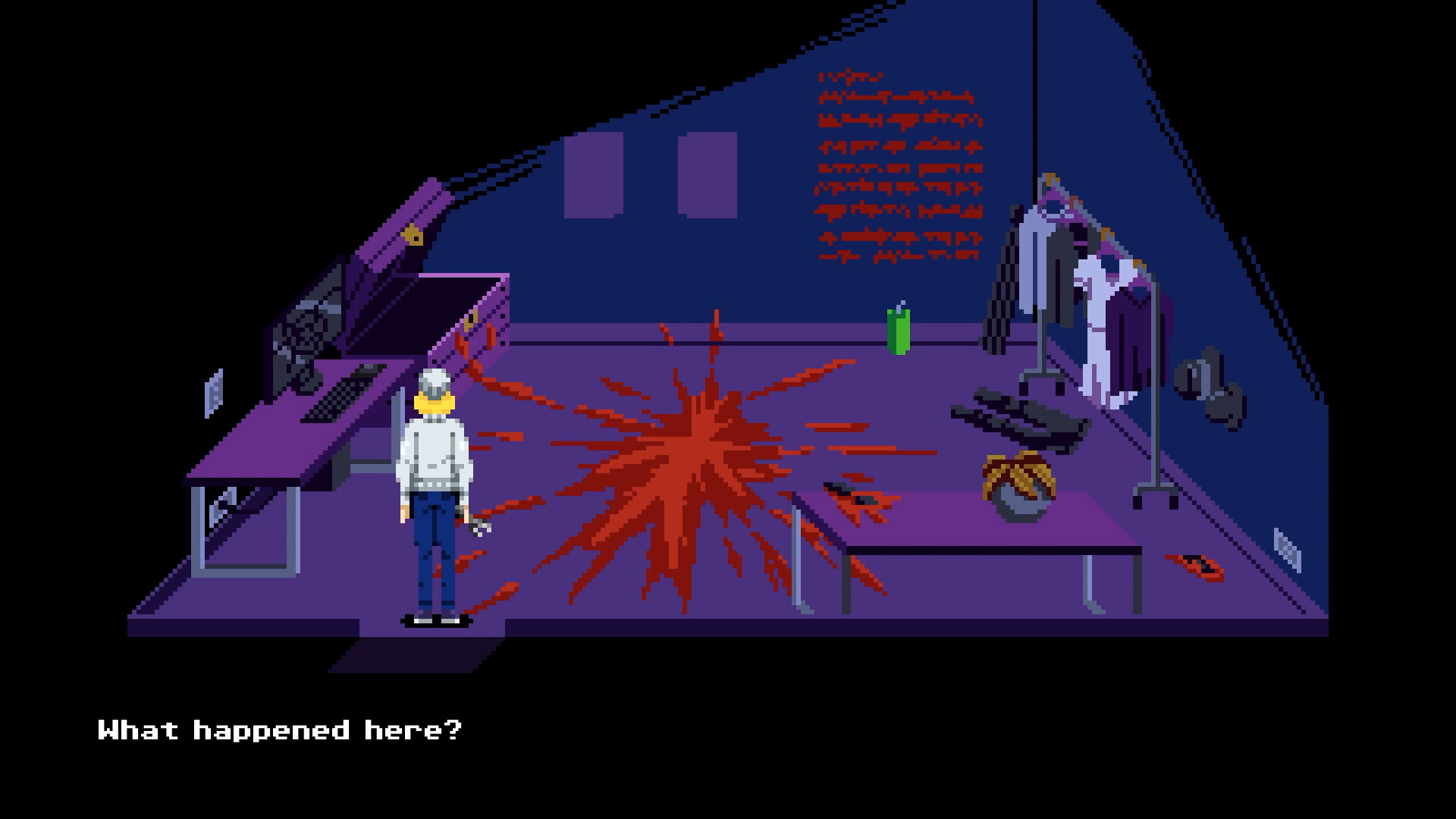
Official screenshot · Source: Steam store
New Blood Interactive shipped it on Steam on October 16, 2026, after nearly four years of development and filming. A detailed launch review credits Andrés Borghi and Saibot Studios, with Airdorf of FAITH as executive producer. You play Julia, who checks on her ex, Iván, after gruesome nightmares. He is not home. A strange book on the floor pulls her somewhere else. That is the premise. The systems under it are what this guide covers.
The store page calls it a 2D retro survival horror adventure about puzzles, horrible creatures, and nightmares that might be real. The store text also credits an award-winning Argentine film crew for the live-action scenes. Reading Tenebris Somnia gameplay only from that blurb undersells the combat. For the live price, Deck status, and build, use the Tenebris Somnia on Steam store page.
| Detail | Launch status |
|---|---|
| Genre | 2D retro survival horror adventure |
| Release | October 16, 2026 on Steam; demo updated the same day |
| List price | $24.99, with a stated 20% launch-window price of $19.99 |
| Extra offer | Further discount and a FAITH bundle for FAITH: The Unholy Trinity owners |
| Rating | Mature (M) in the US; player discretion advised |
| Platform notes | Steam Deck Verified; trading cards and Points Shop items |
| Hub snapshot | 816 in-game on the community hub, October 17, 2026 |
That 816 figure is a launch-window snapshot, not a lifetime peak or a review score. Regional pricing was described as aggressive, especially in Latin America, and the studio said it would try to hold similar pricing on consoles. Console dates are not set in those notes, so do not plan a specific box purchase yet. Confirm the discount on the store page before you wait it out. Launch cuts expire.
Combat, Controls, and the First Threat
Player experience draws a bright line. This is not Clock Tower. You are not limited to hiding from the first creature the trailer shows. Early reviews place the feel next to Silent Hill and classic Resident Evil: you can hit back, and the game expects you to. Fights are about timing. Ready a weapon, commit to the swing, and do not chase a punish you have not earned. Players who died early mostly blamed overconfidence, not stuck inputs.
Mouse and keyboard are supported. The clearest pad notes come from a reviewer who cleared the game on an Xbox-style controller. Treat this as player experience, not an official manual.
| Action | Xbox-style input (player report) |
|---|---|
| Interact | A |
| Run | X, with an option to toggle sprint |
| Inventory | B |
| Swap items and the book | LB and RB |
| Ready / attack | LT to ready, RT to attack |
The layout is ordinary on purpose. Friction belongs to enemy timing and item logic, not to remembering a combo. A few habits make Tenebris Somnia gameplay less punishing:
- Toggle run if you fumble sprint while backing up.
- Ready the weapon before you are in range. Ready and attack are separate buttons, so mashing from a relaxed stance wastes the opening.
- Keep the book in rotation. Shoulder buttons flip between carried items and that tome, which means clues sit next to keys and weapons.
- Slow down in doorways if you snag on corners. One full-run review mentioned sticking on geometry and called it likely user error, but tight retro collision is part of this style.
Enemy designs are distorted to match the rooms Julia has to survive. Community reports add a smaller snag: some achievements refer to specific foes, yet names are not obvious in the fight. If you care about those unlocks, copy the achievement text before you hunt. Otherwise you can win a room and still not know which box you ticked.
Do not sprint the opening apartment looking for a weapon tutorial. Combine what you can, then return after the next item. Community reports from hour one include players sure the game was an empty loop, posted beside recommendations from people who pushed through the same rooms.
Puzzles, Inventory, and Getting Stuck Early
The puzzle side of Tenebris Somnia gameplay is where the evening goes. A full-run review describes an inventory that sorts itself by type when you pick something up, so puzzle pieces stay visible instead of sinking into one junk list. You spend attention on what an object means, not on where the menu hid it.
Those puzzles pull the plot along. The same player called the story a paced slow burn, with multiple endings and a fake-out boss that raises the stakes, and put a full clear near eight hours. Lore terms stayed readable. This guide will not map that boss or those endings. The surprise is part of the point.
Getting stuck is already a hub topic. Community reports describe circling, pairing a couple of ordinary objects, and wondering if the rest of the game is the same wander. In this genre the opening often feels empty until one combination rewrites rooms you had dismissed. When you stall, stop asking what you missed on the current screen. Ask which two items describe the same problem.
| Layer | What it asks | Typical miss |
|---|---|---|
| Combat | Time a ready stance and a committed hit | Swinging early or chasing too far |
| Exploration | Revisit rooms after a new item reframes them | Treating a locked path like a bug |
| Inventory | Read sorted items as clues | Hoarding without pairing anything |
| Story triggers | Watch filmed scenes for spatial hints | Ignoring gesture because nobody speaks |
Accessibility is the sharpest caveat in that review. Some puzzles need color recognition. Others need you to judge pitch or intonation. They are described as deliberate, so they can hard-stop players who cannot use those cues. Nothing in the launch discussion confirms a colorblind preset or a text stand-in for the audio beats. If that is a deal-breaker, check the options menu and fresh community threads before you pay.
Spoiler guides are already up, including a puzzle-and-boss walkthrough flagged as spoiler-heavy and full-game videos. Stay out until one room has truly stopped you. A one-line hint beats a route map.
How the Filmed Scenes Change the Loop
Short cutscenes are the usual advice. A developer who bundled another game with this release still recommended it, with a clear disclosure, because the scenes behave like part of play: they demand attention, and the package holds. Another player said the footage feels like a fan film that outdoes a studio adaptation, and that live action fits survival horror so cleanly it is surprising the approach is still rare.
The production detail that matters for Tenebris Somnia gameplay is silence. In that full review, the filmed scenes do not trade spoken lines. Gesture and context carry the story, which is why an Argentine production can land for an English-speaking player without dialogue. Scenes trigger off events, and the jump from sprites to actors did not feel jarring to that writer. The retro rooms stay playable. The film lets you take those rooms seriously.
Do not second-screen them. A missed gesture can explain why a path changed. Watch once, full size. The same review credits effects, music, and outright silence, plus locations that look real and then wrong. When a scene ends, do not sprint. The next moments are when a prop you just saw should connect to an item you already hold.
Length, Endings, and Who It Is For
Length was an early community question, and the honest answer is a range. Judge Tenebris Somnia gameplay by how one evening feels before you chase every ending. The times below are player experience, not a number printed on the store page.
| Source | Time cited | What it measures |
|---|---|---|
| Full written review | About 8 hours (8.7 on the clock) | One thorough clear, with a fake-out boss noted |
| Short recommendations | About 1 to 2 hours | Launch-night impressions, not a finished route |
| Community videos | Full game plus endings | Guides advertising four endings; not an official count |
The careful review says there are multiple endings. Community videos and guides advertise four. Until the developer states a number, the fair line is “more than one, and players are circulating a four-ending path.” That is a reason for a second save if you liked the fights. It is not a 30-hour campaign.
Taste is already split in a familiar way. If you like combining items more than arenas, an eight-hour shape is a feature. If you want constant monster rooms, early puzzle downtime will feel like stalling. One hub comment called the apartment boring. Another called the combat a win for the genre. Your tolerance for being lost is the real filter.
Before you pay the launch price, check four things. You want classic Resident Evil or Silent Hill pacing, not pure stealth. You will watch silent scenes. A Mature story about nightmares and an ex is fine for you. Color-based or pitch-based puzzles will not block you, or you accept looking those few beats up later. FAITH owners should compare the owner discount with the bundle before buying a single copy.
Steam Deck Verified matters if you play handheld, and the launch notes included a Deck startup video, so the portable build was part of the plan. Verification is not a personal brightness guarantee. These games live in crushed blacks. Set gamma before you decide a room is empty.
FAQ
What is Tenebris Somnia gameplay actually like?
It is retro 2D survival horror. You explore, combine items, and fight with timed attacks while wordless live-action scenes carry story. Player experience puts it nearer Resident Evil and Silent Hill than a hide-only stalker.
How long is a first playthrough?
One detailed launch review finished in about eight hours. Posts in the one-to-two-hour range are early impressions, not finished routes. Chasing extra endings adds time past a single clear.
Can you fight, or do you only run?
You can fight. Early player writes say the trailer’s first threat is something you can strike, with separate ready and attack inputs. Running still matters. It is not the only tool.
Will color or pitch puzzles block progress?
They can. A full-run review says some puzzles need color discrimination or the ability to judge intonation, and that those beats are intentional. Check options and current community notes if either sense is limited for you.
Related Guides
Tenebris Somnia cutscenes: Practical Horror Breakdown
How Tenebris Somnia cutscenes mix retro 2D survival horror with filmed practical effects, and what the Tokyo Direct footage shows.
Tenebris Somnia live action trailer breakdown
How Tenebris Somnia live action cutscenes, practical effects, and scarce ammo shape this retro horror launch.
Tenebris Somnia trailer: Gameplay, Film, and Awards
The Tenebris Somnia trailer mixes gameplay with filmed scenes, awards context, and a clear look at what coverage still leaves unknown.
Tenebris Somnia puzzles: Unstuck Without Spoilers
Learn how to clear Tenebris Somnia puzzles using a room checklist, spoiler control, and the pinned Steam guide.
Tenebris Somnia Demo Guide: Platforms and Story
Learn what the Tenebris Somnia demo includes on Xbox and PC, from platforms and age rating to a practical first-session plan.